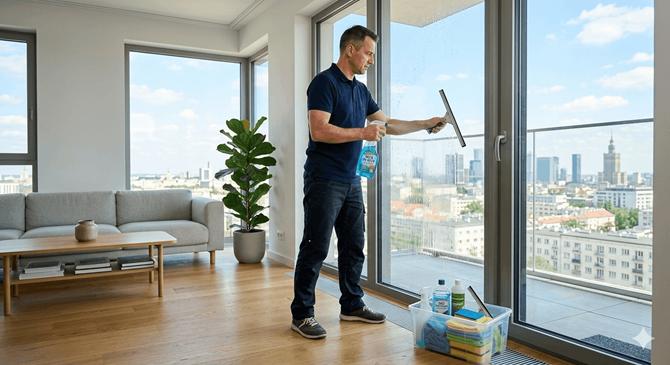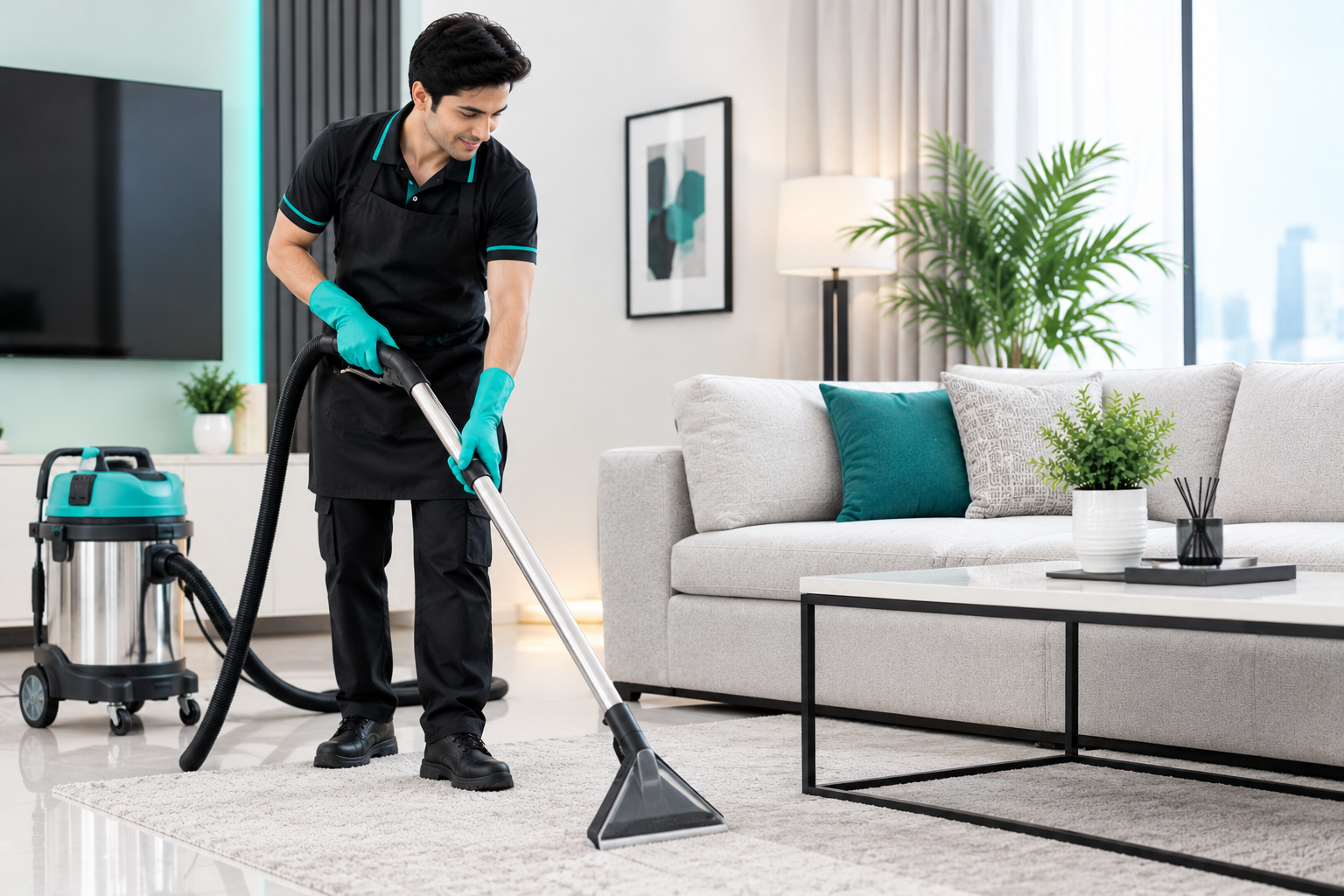

Learn how to prevent dust buildup in Abu Dhabi homes with practical cleaning routines, better ventilation habits, microfiber dusting, and professional cleaning tips.
How to Prevent Dust Buildup at Home in Abu Dhabi
Dust is a common household problem, particularly for residents who want to keep their apartments clean despite busy routines and changing outdoor conditions. You may wipe your furniture in the morning only to notice a fresh layer of dust on tables, shelves, or window frames a day later.
In Abu Dhabi, outdoor sand and fine particles can contribute to household dust, especially during dusty or windy weather. Indoor sources, including fabric fibres, skin cells, pet dander, and everyday activities, can also contribute to dust accumulation.
The good news is that you do not need to clean every surface constantly to manage the problem. The right combination of cleaning tools, regular maintenance, sensible ventilation habits, and attention to overlooked areas can help reduce visible dust.
This guide explains how to prevent dust buildup at home in Abu Dhabi, which areas deserve the most attention, and when professional cleaning may help.
If you need additional support, The Housekeepers offers house cleaning services in Abu Dhabi for routine household maintenance.
Why Does Dust Accumulate So Quickly in Abu Dhabi Homes?
Dust accumulation has several causes. Understanding them makes it easier to choose practical solutions instead of repeatedly wiping the same surfaces without addressing the underlying problem.
1. Outdoor Sand and Fine Particles
Abu Dhabi's desert environment means outdoor sand and fine dust can be brought indoors through open doors, footwear, balconies, and other entry points.
Dusty weather can increase the amount of material settling on outdoor furniture, window frames, and accessible surfaces near entrances.
2. Air Movement and Ventilation
Air movement can redistribute particles already present inside a home. Opening windows can improve ventilation when outdoor conditions are suitable, but during dusty weather it may also allow additional particles indoors.
The goal is not to seal your home permanently. Instead, choose ventilation times carefully and follow your building's guidance for maintaining indoor air-conditioning systems.
3. Carpets, Curtains, and Upholstery
Soft furnishings can collect dust, fibres, and other particles through everyday use.
Carpets, rugs, curtains, mattresses, and sofas deserve regular attention because surface dust can accumulate in their fibres.
For furniture that needs more than routine vacuuming, consider professional sofa cleaning in Abu Dhabi.
4. Household Activities
Cooking, walking between rooms, handling fabrics, and moving furniture can disturb settled particles.
A busy family home may therefore need more frequent maintenance than a lightly used apartment.
5. Inconsistent Cleaning Routines
Dust can accumulate when shelves, ceiling fans, skirting boards, and window frames are repeatedly overlooked.
A simple room-by-room schedule helps prevent these areas from becoming difficult to clean later.
How to Prevent Dust Buildup at Home: 10 Practical Tips
1. Use a Damp Microfiber Cloth for Dusting
One of the simplest ways to remove dust effectively is to use a clean microfiber cloth, lightly dampened when appropriate for the surface.
Dry dusters can sometimes move particles around rather than capture them. A suitable microfiber cloth helps collect dust instead of merely redistributing it.
Follow these steps:
- Remove loose items from the surface.
- Fold the microfiber cloth into manageable sections.
- Wipe the surface gently, working from higher areas towards lower ones.
- Rinse or replace the cloth when it becomes dirty.
- Allow moisture-sensitive surfaces to dry appropriately.
Always follow the manufacturer's care instructions for wood, electronics, stone, and other delicate finishes. Avoid using a wet cloth on electrical equipment.
2. Vacuum Floors and Rugs Regularly
Vacuuming helps remove dust, hair, crumbs, and other debris from carpets and rugs.
In busy households, vacuuming high-traffic areas several times a week may be helpful. Lower-traffic rooms may need less frequent attention.
A vacuum cleaner with an effective, well-maintained filtration system can help capture fine particles. A sealed HEPA-filtered vacuum is worth considering if dust control is a priority.
Remember to clean under accessible furniture and around sofa edges, where dust can accumulate unnoticed.
3. Keep Windows and Doors Closed During Dusty Conditions
Opening windows when outdoor air is dusty can allow additional particles into your home.
Check local weather and dust advisories before ventilating. When outdoor conditions improve, ventilate as appropriate while considering temperature, humidity, and your building's air-conditioning requirements.
You can also reduce the amount of dirt entering the home by closing doors promptly and avoiding unnecessary exposure during dusty periods.
4. Place Doormats at Entrances
Doormats help capture dirt and particles carried on footwear before they spread throughout the apartment.
Use a durable mat outside the entrance where permitted and another washable mat inside. Clean them regularly because a saturated mat can become another source of dirt.
Encourage household members and visitors to remove shoes indoors if that suits your home routine.
For apartments with balconies, wipe footwear and clean the entry area regularly to prevent outdoor debris from spreading into living spaces.
5. Wash Bedding and Curtains Regularly
Bedding, curtains, and other fabrics can collect dust and fibres over time.
Wash bed linen according to the fabric care label, and clean curtains at suitable intervals. Vacuum mattresses with an appropriate attachment when recommended by the manufacturer.
Pillowcases and sheets generally benefit from weekly washing, with more frequent changes when needed.
For curtains that cannot be machine-washed, check the manufacturer's instructions or arrange suitable professional care.
6. Clean Air-Conditioning Filters According to Manufacturer Guidance
Air-conditioning systems play an important role in indoor comfort in Abu Dhabi.
Filters can accumulate dust and may need cleaning or replacement according to the system manufacturer's recommendations. The correct schedule depends on filter type, operating conditions, and the surrounding environment.
A practical routine is to check filters regularly rather than waiting until airflow appears reduced.
If dust continues to accumulate unusually quickly, consider whether filters, door seals, ventilation, or other sources need attention. Contact a qualified HVAC professional if you suspect a maintenance problem.
7. Reduce Clutter on Shelves and Tables
Every additional decorative item creates another surface that may need dusting.
You do not need to remove everything from your home. Instead, organise small objects into groups, store rarely used items in suitable closed containers, and keep frequently cleaned surfaces accessible.
A less cluttered space can make regular cleaning quicker and more consistent.
This is especially useful for bookshelves, television units, bedside tables, and desks where dust tends to become visible.
8. Clean Sofas and Upholstered Furniture
Sofas and upholstered chairs can trap dust, hair, and debris within their fabric.
Vacuum them using an appropriate upholstery attachment, paying attention to seams and accessible crevices. Follow the manufacturer's instructions before applying any cleaning solution.
Avoid saturating upholstery or using products that may damage the fabric.
If your sofa has accumulated stubborn dirt or persistent odours, professional sofa cleaning services in Abu Dhabi may be more suitable than repeated surface wiping.
9. Clean from Top to Bottom
Cleaning order matters.
If you vacuum the floor before dusting shelves, particles released from higher surfaces may settle onto the floor again.
A more efficient sequence is:
- Dust ceiling fans and high, safely accessible fixtures.
- Clean shelves, furniture, and window frames.
- Wipe countertops and lower surfaces.
- Vacuum carpets, rugs, and upholstery.
- Sweep or vacuum hard floors.
- Mop suitable hard surfaces last.
Use stable equipment and avoid climbing on chairs or reaching beyond your safe working range. High or difficult-to-access areas are better handled with suitable tools or professional assistance.
10. Maintain a Consistent Cleaning Schedule
A consistent routine is more manageable than waiting until every surface needs attention.
For many households, a practical schedule might look like this:
FrequencySuggested TasksDaily or as neededWipe spills, manage entryway dirt, tidy busy areasTwo or three times weeklyVacuum high-traffic floors and remove visible dustWeeklyDust furniture, clean bathrooms, vacuum upholstery, wash beddingMonthly or as neededCheck overlooked corners, clean accessible vents and window tracksAccording to manufacturer guidanceMaintain air-conditioning filters and clean household equipment
Adjust this schedule according to your household, pets, outdoor conditions, and personal preferences. Homes exposed to more dust may require more frequent floor cleaning and surface wiping.
Which Areas Collect the Most Dust?
Some parts of a home are easy to overlook because they are outside your usual line of sight.
Window frames and sills: These can collect outdoor dust, particularly after windy weather.
Ceiling fans and light fixtures: Dust may settle on blades and accessible upper surfaces.
Sofas and cushions: Fabric and seams can hold hair and particles.
Skirting boards: These narrow edges often accumulate dust because they are not part of everyday wiping.
Under beds and sofas: Hidden areas can collect dust, lint, and debris.
Balconies: Outdoor furniture and flooring may bring additional dirt indoors when people move between the balcony and living area.
A room-by-room checklist helps ensure these areas receive attention without making every cleaning session unnecessarily long.
Does Humidity Affect Dust in Abu Dhabi?
Humidity can influence how dust and other particles behave, although it is not the only factor affecting household dust levels.
In some conditions, humidity may make particles adhere to surfaces more readily. Moisture can also create separate indoor maintenance concerns if ventilation is poor or condensation occurs.
Air-conditioning systems can help maintain indoor comfort, but humidity control depends on the building, system performance, and outdoor conditions.
Avoid assuming that a humid room simply needs more cleaning. If you notice persistent condensation, dampness, or musty odours, investigate the moisture source and seek qualified assistance where necessary.
For everyday dust management, focus on filtration, appropriate ventilation, regular vacuuming, and cleaning tools that capture particles effectively.
Can Professional House Cleaning Help Reduce Dust?
Professional cleaning can help remove accumulated dust from surfaces that may be overlooked during a busy week.
A standard cleaning visit can include dusting accessible furniture, vacuuming floors, cleaning living spaces, and wiping window sills or other agreed areas.
The exact scope depends on the service you book, so it is useful to identify your priorities before the appointment.
The Housekeepers provides house cleaning services in Abu Dhabi, with room-by-room cleaning covering key living areas, bedrooms, kitchens, and bathrooms.
For ongoing maintenance, maid services in Abu Dhabi may be suitable for households that prefer regular visits.
Professional cleaning does not eliminate the sources of dust permanently. However, combined with sensible household habits, it can help keep dust accumulation manageable.
How to Prevent Dust Buildup in Apartments with Pets
Pets can contribute hair and dander to household dust, so homes with cats or dogs may need additional maintenance.
Useful habits include:
- Vacuuming favourite resting areas regularly.
- Washing pet bedding according to its care instructions.
- Grooming pets appropriately for their coat and needs.
- Cleaning food and water areas promptly.
- Using washable covers on frequently used furniture.
- Keeping entryways clean after outdoor walks.
If your pet has access to sofas or beds, pay particular attention to fabric seams and cushions.
Choose cleaning products carefully and follow their labels. Allow treated surfaces to dry as directed before allowing pets back into the area. The ASPCA provides additional guidance on household cleaning products and pet safety.
Common Dust-Cleaning Mistakes to Avoid
Even regular cleaning may be less effective when the wrong techniques are used.
Using a dirty cloth: A cloth already covered in dust can spread residue between surfaces.
Cleaning floors first: Dust from shelves and furniture may settle on floors afterwards.
Ignoring upholstery: Dust can remain in sofas, rugs, and other fabric surfaces.
Opening windows during dusty weather: Outdoor particles may enter while you are trying to improve ventilation.
Forgetting hidden areas: Under furniture, window tracks, and skirting boards can be overlooked.
Using unsuitable cleaning products: Some products can damage finishes or leave residue. Always check compatibility before use.
Frequently Asked Questions
Q1: Why does my apartment get dusty so quickly in Abu Dhabi?
Outdoor sand and fine particles, air movement, fabrics, household activity, and inconsistent cleaning can all contribute. Reducing entryway dirt, cleaning filters according to manufacturer guidance, and vacuuming regularly can help.
Q2: How often should I dust my home?
Many households benefit from weekly dusting, while busy rooms or homes exposed to frequent dust may need attention several times a week.
Q3: Does opening windows make a home dustier?
Opening windows during dusty conditions can allow more outdoor particles inside. Choose ventilation times according to outdoor air quality and local weather.
Q4: What is the best cloth for removing dust?
A clean microfiber cloth is a useful option for many household surfaces because it can capture dust effectively. Check the care requirements of delicate finishes before cleaning.
Q5: Can professional cleaning prevent dust permanently?
No. Dust continues to enter homes and is generated through normal indoor activity. Professional cleaning can remove accumulated dust, while regular maintenance helps manage future buildup.
Q6: When should I book professional house cleaning in Abu Dhabi?
Consider professional cleaning when dust has accumulated in several rooms, your schedule makes regular maintenance difficult, or you need help with a more thorough household clean.
Keep Your Abu Dhabi Home Cleaner with The Housekeepers
Preventing dust buildup is easier when you combine good daily habits with regular, systematic cleaning.
Use microfiber cloths, vacuum soft furnishings, maintain entryways, check air-conditioning filters, and pay attention to window frames and other overlooked areas. Adjust your routine when outdoor conditions are particularly dusty.
If you need extra help maintaining your apartment, explore The Housekeepers' professional house cleaning services in Abu Dhabi or arrange regular visits through maid services in Abu Dhabi.
A practical cleaning routine can help you spend less time dealing with visible dust and more time enjoying a comfortable home.